
Breast Implant Exchange Incisions & Scars
A breast implant exchange is just what it sounds like: your old implants come out and new ones go in—whether you’re switching sizes, profiles, or implant types. And just like your original augmentation, the way your surgeon makes incisions will shape where your scars land.
Where Are Breast Implant Exchange Scars?
The inframammary incision is the most common for simple breast implant exchanges (procedures that involve simply changing out the implant).
The inframammary incision, also known as the crease incision, is placed in the crease under the breast.
It’s typically the preferred choice as it’s easy for surgeons to work through, gives great access to get the old implant out/new implant in, and hides beautifully in many people’s natural breast fold.
The crease incision is also one of the most common incisions. So if this is where your breast aug scar is placed that means no additional scars—just a new scar in the same spot.
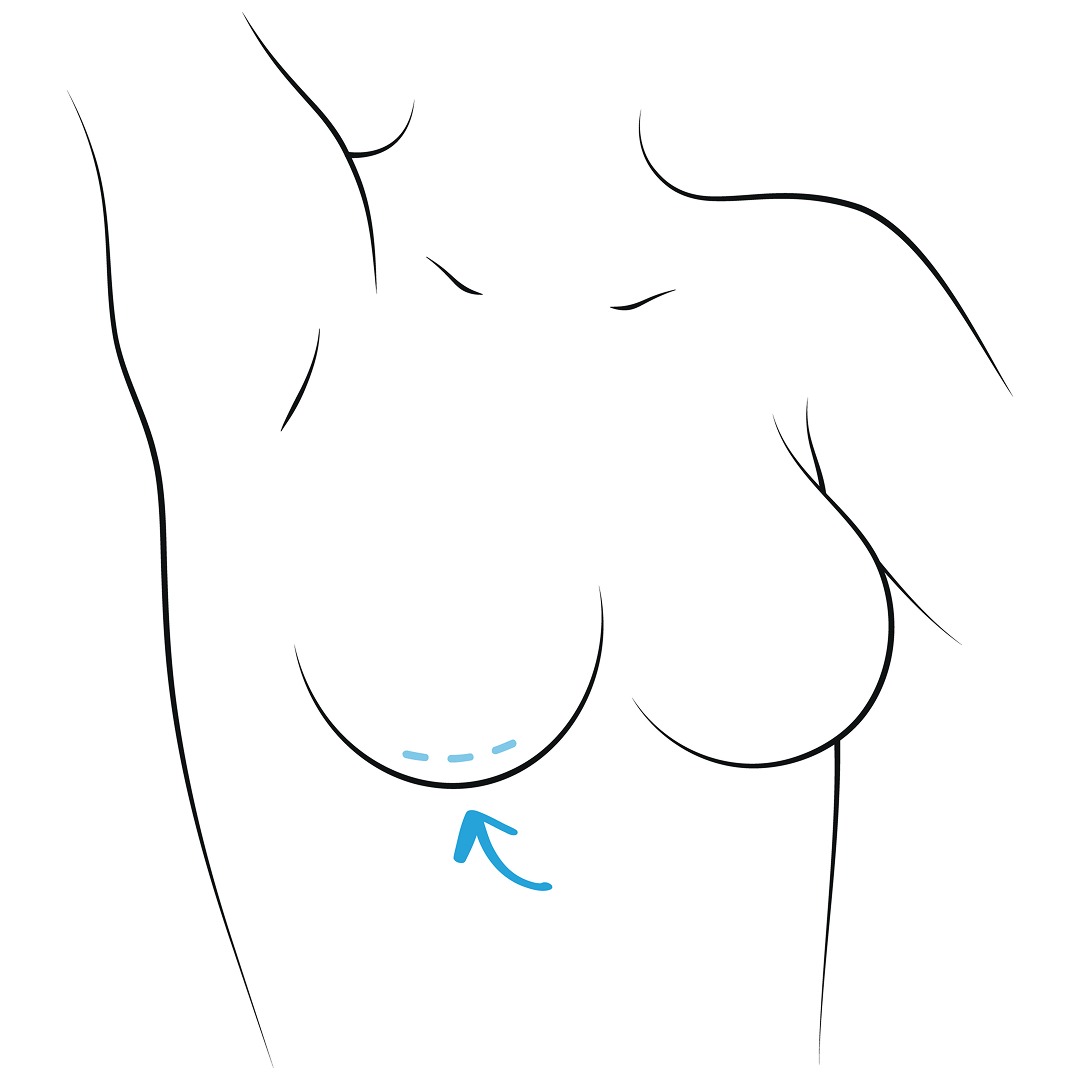
If your original incision was somewhere other than the crease, like the (transaxillary) or belly button (TUBA), your surgeon may create a new incision in the crease so they can safely get the old implant out.
Keep in mind more complex exchanges, such as those incorporating a breast lift, may require different incisions and/or additional scars.
How Do Implant Exchange Scars Compare to Your First Surgery Scars?
We hear it from Bustmob babes all the time: exchange scars may heal even better than your original ones.
Sounds wild, but it’s true. When your surgeon opens an already healed scar, your body treats it more like a revision than a brand-new wound.
Your surgeon will typically remove old scar tissue and that could mean smoother, finer final scar tissue.
Here’s what to expect:
- First few months: Scars are most noticeable—pink or slightly raised.
- 3–6 months: They start to soften and flatten.
- 12+ months: This is when scars usually finish healing and settle into the end result.
We’ve said it once, we’ll say it again: patience plus scar care = results that continue getting better over time.
What Happens During the Implant Exchange?
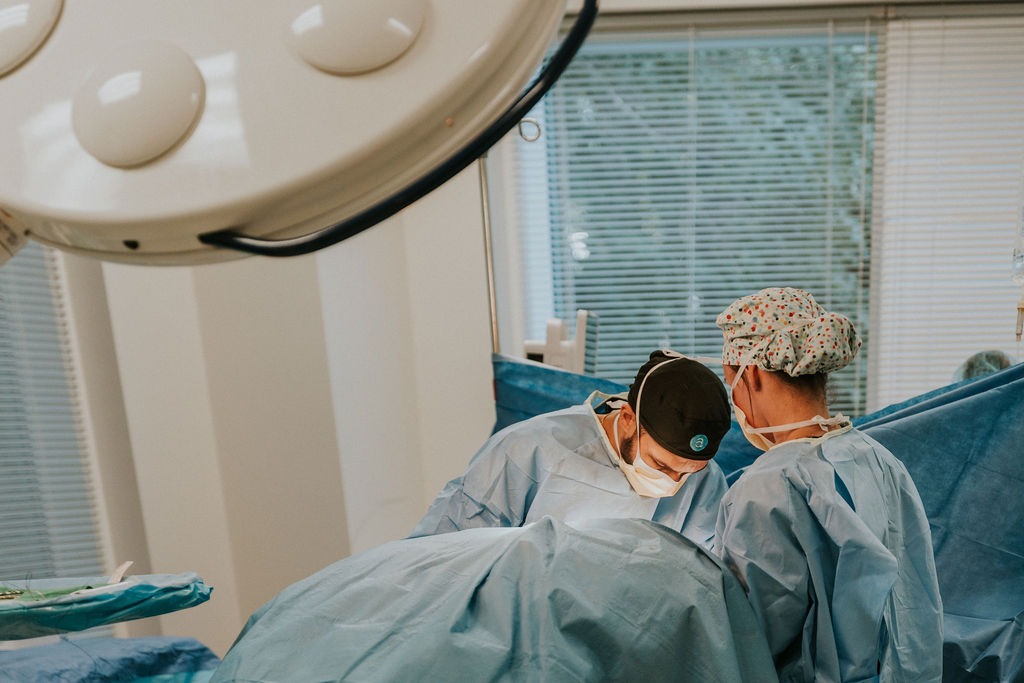
Because a lot of people ask “What’s the implant exchange procedure like?” here’s a little breakdown:
- Surgeon marks where the scar will go (usually right where your old one sits).
- Local or General Anesthesia: In some cases, a simple exchange can be done under local anesthesia. Typically, complex exchanges require general anesthesia.
- Incision through the existing scar line.
- Old implants come out.
- Surgeon checks/tightens the pocket.
- New implants go in.
- Incision closed in layers for a nice scar.
- Scar tape or care protocol starts right away.
Every surgeon has a slightly different rhythm, but this is what many exchanges look like around the country.
Scars & Healing: What You Should Know Before Your Exchange
Here’s exactly the kind of candid, real-world advice Bustmob community members share—and that surgeons agree with:
Scar Care Best Practices:
- Surgical tape for ~6 weeks (most surgeons recommend this).
- After 6 weeks, a lot of surgeons clear for scar therapy, such as silicone tape/gel.
- Avoid sun exposure on scars, and use SPF on scars when out in the sun, especially the first year. This helps reduce the chances of hyperpigmentation/dark scars.
- Be patient: scars often look worse before they look better.
Common Mistakes to Avoid:
- Taking the surgical tape off too soon.
- Skipping sunscreen (heat + UV light darken scars).
- Comparing your scars too early in healing.
- Ignoring surgeon recommendations.
Your body is doing a major thing, give it grace and time.
Breast Implant Exchange Scars FAQ Bustmob Members Actually Ask
Q: Will I get new scars if I’m changing my incision type?A: Only sometimes. If you originally had a crease, you usually won’t have new scars. BUT if your first surgery had an armpit, belly button incision, or another type of incision, your surgeon may need a new incision to properly remove the old implant. That new scar will likely become your go-to location for any future exchanges.
Q: How long until scars look “normal”? A: Most people notice a big improvement by 6–12 months, but the final look is usually around 12–18 months. Patience truly pays off.
Q: Do all surgeons do scars the same way?A: No! That’s why you want to ask your surgeon how they approach exchange incisions, where they place their scars, and what scar care they use. It can vary, and having that convo before booking makes a huge difference.